Jamaican Food in Denver: Best Places for Authentic Island Meals
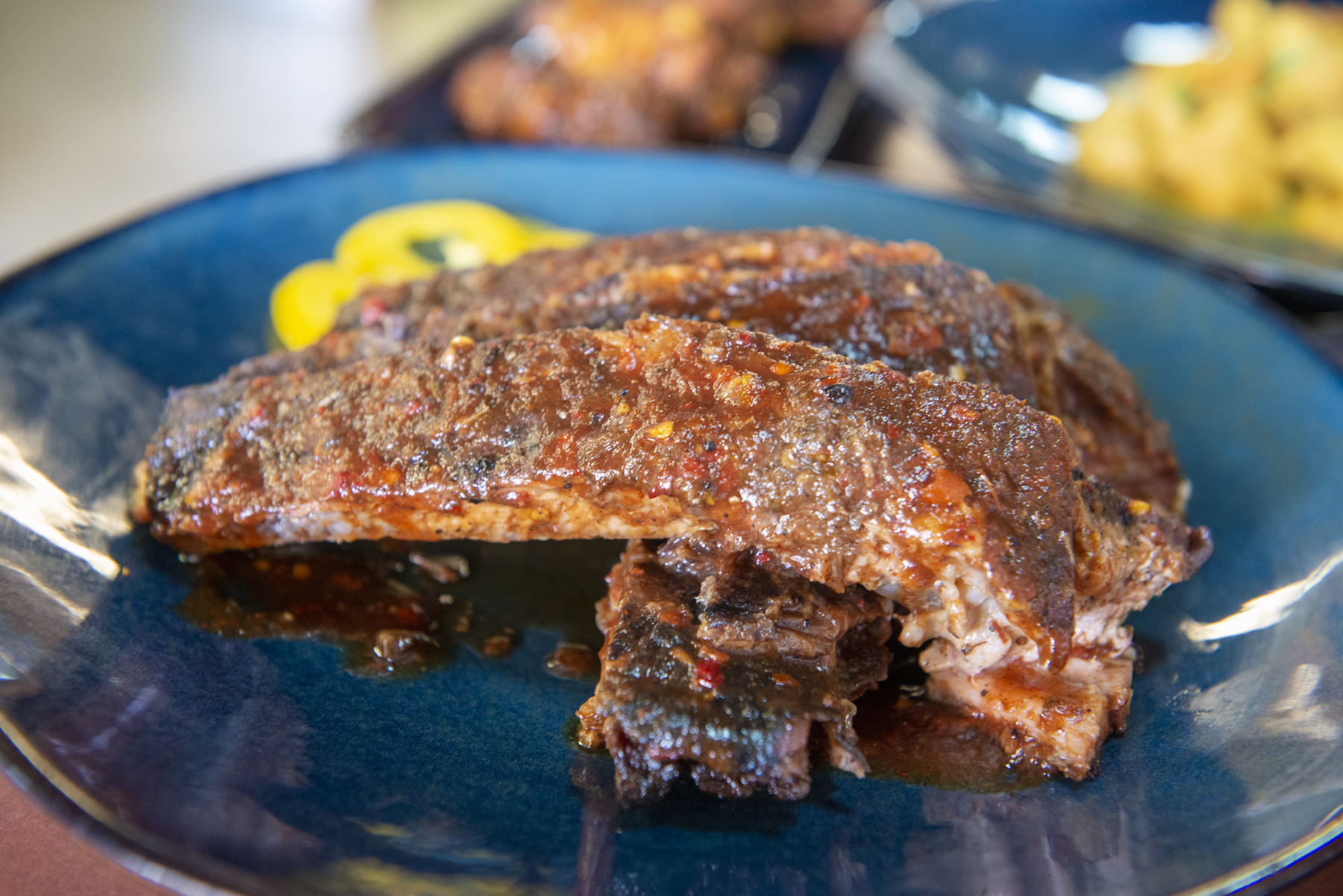
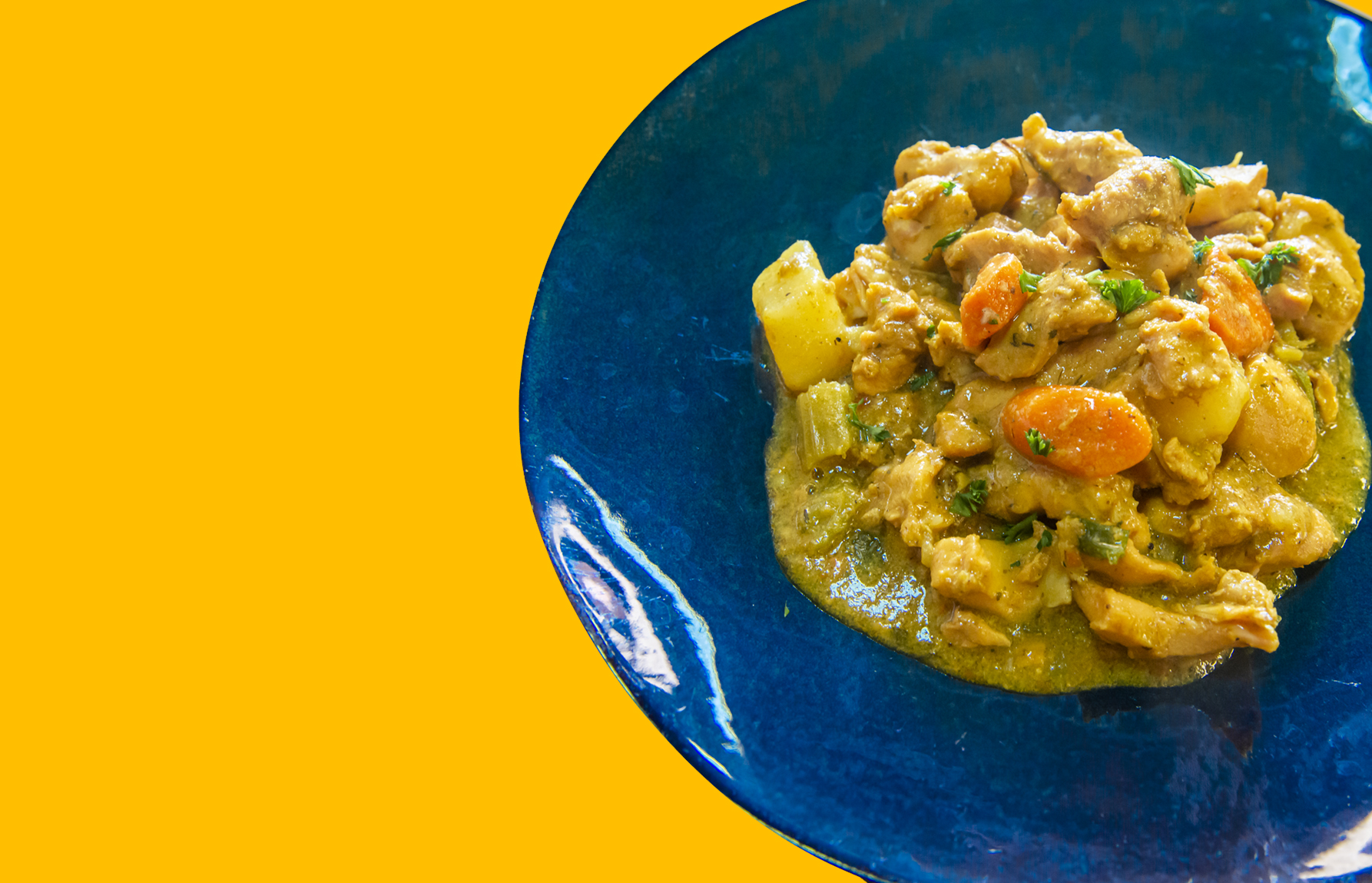
Finding excellent Jamaican food in Denver takes a little more intention than finding tacos, ramen, or green chile. The city does have Caribbean cooking, but it is not a category with endless options on every block. That scarcity is part of what makes the good spots memorable. When you find a kitchen that gets the jerk right, simmers curry goat until it yields to a plastic fork, and serves rice and peas that taste like they were cooked by someone who refuses shortcuts, you remember it.
That is the real story behind the search for jamaican food denver diners actually want. Most people are not looking for a generic “island vibe.” They want food with backbone. They want heat that builds instead of shocks, smoke instead of bottled sweetness, and sides that matter as much as the main plate. They want a meal that feels rooted in tradition, even when it is being served in a strip mall dining room on the Front Range.
Denver’s Jamaican food scene is smaller than what you would find in South Florida, New York, or parts of Toronto, so expectations need to be adjusted. The best meals here often come from modest counter-service restaurants, family-run kitchens, or Caribbean spots that balance Jamaican staples with dishes from neighboring islands. That does not make the food less serious. If anything, it means the places worth visiting tend to survive on repeat customers, not novelty.
What “authentic” looks like on the plate
Authenticity in Jamaican cooking is not about décor, flags on the wall, or a reggae playlist. It is about technique, seasoning, and patience. Jerk chicken should carry layered spice, but it should also taste of thyme, scallion, allspice, and char. Oxtail should be deeply braised, glossy, and rich without becoming muddy. Curry goat should smell warm and savory before you even take the first bite. Even something as simple as cabbage can tell you whether a kitchen knows what it is doing. Good steamed cabbage has flavor and structure. It is not an afterthought.
The same goes for rice and peas, which many newcomers assume literally means rice with green peas. In Jamaican cooking, it typically refers to rice cooked with kidney beans or pigeon peas, often with coconut milk and aromatics. When it is done well, it does not just fill space on the container. It rounds out the meal and absorbs sauce without turning soggy.
You can often tell within a few minutes whether a place is committed to the cuisine or merely borrowing the language of it. Menus heavy on “jerk” everything can be a warning sign if the rest of the food feels generic. On the other hand, a shorter menu can be encouraging. Many of the best Caribbean kitchens focus on a manageable group of dishes and do them consistently.
The shape of the Denver market
Denver proper has never had a huge Jamaican restaurant footprint, and that matters when making recommendations. Some of the strongest options have historically been outside the most tourist-heavy core, especially in Aurora and the southeast metro area. That pattern makes sense. Family-owned restaurants often land where rents are more https://josuegect434.clarionvale.com/posts/best-jamaican-food-in-denver-for-groups-and-gatherings manageable and regular neighborhood business is possible.
For diners, that means the best meal may not be downtown or in the trendiest corridor. It may be in a casual storefront with a handwritten specials board and a line of people ordering takeout containers for dinner and tomorrow’s lunch. If you are searching for Jamaican food in Denver and expecting polished, high-concept dining rooms, you may miss the kitchens that actually deliver the food you came for.
Restaurant lineups also change more quickly in this category than in some others. Hours shift. Food trucks become brick-and-mortar operations, then scale back, then reappear at events. A Caribbean spot can have an excellent six-month run and then disappear because staffing, rent, or supply costs got difficult. That fluidity means the best approach is to stay flexible and judge places by the food in front of you, not by how loudly they advertise “authenticity.”
Spots and styles worth seeking out
A few Denver-area names come up regularly when locals talk about Jamaican and Caribbean comfort food, though availability and hours can change. Reggae Pot is one of the better-known names in the metro conversation, and it has built a reputation around the staples people hope to find when the craving hits: jerk chicken, curry goat, oxtail, patties, and traditional sides. Places like that matter because they provide the baseline. When they are on, they remind you that a straightforward plate of jerk chicken and rice can be more satisfying than a room full of culinary theatrics.
Beyond dedicated Jamaican restaurants, some broader Caribbean kitchens in the Denver area also deserve attention, especially if they handle a handful of Jamaican dishes with care. This is where judgment matters. A restaurant does not need a huge menu of island foods to produce a strong goat curry or a convincing escovitch fish special. Some of the better meals come from places that do not chase every dish from every island, but instead make a focused set of recipes consistently.
Food trucks and pop-ups also play an outsized role. In a city where brick-and-mortar Jamaican options are limited, mobile kitchens sometimes produce the most exciting food. The trade-off is predictability. A truck may serve one of the best jerk plates you have had in months, but only appear at breweries, weekend festivals, or private events. If you are serious about tracking down good Caribbean cooking, it is worth following a few local vendors on social platforms and treating the hunt as part of the fun.
How to judge a Jamaican restaurant in one order
If you only get one visit before deciding whether a place belongs in your regular rotation, order carefully. Some dishes reveal more than others.
- Jerk chicken tells you about seasoning, smoke, and restraint.
- Oxtail shows whether the kitchen understands braising and sauce balance.
- Curry goat reveals depth, tenderness, and spice control.
- Rice and peas exposes whether sides are taken seriously.
- A beef patty, if available, is a quick read on pastry quality and filling.
That short test works because these dishes demand different strengths. A restaurant can hide behind sauce on one item, but not across all five. If the chicken tastes like it met a grill only briefly, if the curry is flat, or if the rice is dry and anonymous, the odds are low that the rest of the menu will rescue the meal.
Jerk chicken, the benchmark dish
Jerk chicken is the dish many Denver diners order first, and that is both sensible and slightly risky. Sensible because it is iconic and usually available. Risky because plenty of restaurants across the country use “jerk” as a flavor label for something that is really just spicy grilled chicken. Real jerk is more distinct than that. It should have pungency from allspice and thyme, aromatic lift from scallion, and the kind of chile heat that lingers but does not flatten everything else.
Texture matters too. The skin should show some caramelization or char, and the meat should be juicy enough to stand up to the seasoning. Sauce can help, but it should not need to cover mistakes. One of the most common disappointments in weaker Caribbean restaurants is jerk chicken that tastes marinated but not transformed. The seasoning sits on the surface. The smoke is missing. The result is acceptable, not memorable.
When a Denver restaurant nails jerk, it immediately separates itself from the field. You stop eating analytically and start eating faster than intended. That is usually the sign.
Why oxtail and curry goat matter even more
Among people who know the cuisine well, oxtail and curry goat are often the true markers of the kitchen. Jerk gets the headlines, but braised dishes tell you more about discipline. They require time, consistency, and enough confidence not to rush. Denver’s altitude and dry climate can be unforgiving in many forms of cooking, but braises still reward patience. A good restaurant adapts.
Oxtail should arrive with meat that is soft without disintegrating, in a sauce with body and depth. Too thin, and it feels unfinished. Too heavy, and it starts tasting one-note. Good oxtail has a richness that coats the rice but still leaves space for the peas, cabbage, or plantains on the side.
Curry goat is even less forgiving. Goat can go stringy if mishandled, and timid curry is almost worse than bad curry. The dish should smell warm and savory with a touch of earthiness. Heat can be moderate, but flavor cannot be. In Denver, where some restaurants understandably soften spice for a broad audience, this is one dish where asking for it “the regular way” can make a difference.
The sides are not filler
One reason Jamaican meals satisfy so thoroughly is that the sides work as part of the whole meal, not as placeholders. Rice and peas catches sauce and carries coconut fragrance. Fried plantains bring sweetness and soft texture. Cabbage adds freshness and bite. Festivals, when a restaurant offers them, give you a slightly sweet fried bread that can bridge spicy and savory elements in the meal.
A strong plate has contrast. This is where some otherwise decent spots stumble. They may produce a respectable main protein but neglect the supporting pieces, leaving the meal lopsided. Dry rice can sink a plate. Underseasoned cabbage can make the whole thing feel mass-produced. The best Jamaican food in Denver tends to come from kitchens that understand this balance instinctively.
Takeout is often the smartest move
For this cuisine, takeout is not a compromise. In many cases, it is the ideal format. Braised dishes travel well, portions are often generous, and flavors continue to settle on the ride home. Jerk chicken may lose a little crispness in a tightly closed container, but the upside is convenience and value. It is also easier to turn one order into two meals, especially if you add patties or an extra side.
Dining in does have advantages. You get the food at peak temperature, and if the place is quiet enough, you may have time for a useful conversation about what is especially good that day. But if you are exploring the Denver metro and trying a place for the first time, do not be afraid of ordering a well-rounded takeout spread and tasting it at home. Jamaican cooking often feels at its best when eaten casually, with enough time to focus on the food itself.
Price, portions, and what good value really means
Jamaican food is not always cheap anymore, and that surprises some diners. Oxtail especially has become expensive nationwide. Goat is not a bargain protein either. If you see those dishes priced higher than chicken plates, that is normal. The better question is whether the portion and quality justify the number on the menu.
In Denver, a solid chicken plate may feel like fair everyday takeout value, while oxtail lands more in treat territory. That is fine, provided the dish arrives with real depth and enough meat to make the price feel honest. Patties, by contrast, are often one of the easiest entry points. They are relatively affordable, portable, and useful as both snack and side.
Value also shows up in leftovers. Some of the best Caribbean meals improve slightly after an hour or overnight, especially curries and braises. A container of curry goat with extra rice can become an enviable lunch the next day. That kind of practical payoff is part of why these restaurants earn loyal followings.
Common mistakes first-time diners make
People who are new to Jamaican cooking sometimes order too narrowly. They get one jerk chicken plate, skip the sides, and assume they have seen the whole picture. That is like judging an Italian restaurant by plain spaghetti. The cuisine is broader and more textural than that.
Another common mistake is demanding maximum spice instead of maximum flavor. Heat has its place, but the point is not punishment. A well-made jerk or curry dish should taste complete before you reach for extra hot sauce. If a restaurant asks whether you want it mild or spicy, treat that as a conversation rather than a dare.
A third mistake is overlooking specials. In smaller kitchens, the special board often reflects what the cook is most excited about that day. If there is escovitch fish, soup, or a weekend-only braise, pay attention. Those off-routine dishes are often where the soul of the restaurant shows.
A practical way to order for a first visit
If you are trying a Denver-area Jamaican restaurant for the first time and want a balanced sense of the kitchen, keep the order simple and broad enough to compare textures and seasoning.
- Choose one jerk item and one braised item.
- Add rice and peas, not plain rice, if given the option.
- Include one vegetable side, usually cabbage.
- Split a patty before the mains if the place is known for them.
- Save room for plantains or a drink like sorrel if available.
That approach works especially well for two people. You get smoke, sauce, starch, sweetness, and a little range without overordering. It is also the fastest way to decide whether a place deserves a second trip.
The neighborhoods matter less than the kitchen
A lot of dining guides overemphasize neighborhood identity, but for Jamaican food in Denver, the kitchen matters more than the zip code. You are not chasing atmosphere as much as execution. A modest location in Aurora can outcook a more visible address in the city center without breaking a sweat. That is not a romantic statement about hidden gems. It is simply how this category tends to work in smaller markets.
The practical implication is straightforward. Be willing to drive. If a trusted local tells you the best curry goat is twenty or thirty minutes away, that is not an obstacle. It is the normal cost of finding specialized food in a spread-out metro area. Denver diners already do this for barbecue, regional Chinese food, and certain bakeries. Jamaican cooking belongs in that same conversation.
What Denver still lacks, and why that can change
Denver does not yet have the depth of Jamaican dining that would allow for easy ranking, neighborhood crawls, or six equally strong options for every budget. There is room for more dedicated restaurants, more weekend pop-ups, more bakeries selling patties and coco bread, and more places willing to treat escovitch, ackee and saltfish, or soup as anchor dishes instead of occasional add-ons.
At the same time, demand for Caribbean food has grown. Diners are more adventurous than they were fifteen years ago, and many are better informed. They know what jerk should taste like. They ask for sorrel around the holidays. They recognize that “island food” is not one thing. That growing literacy helps good restaurants survive because customers notice the difference between careful cooking and vague branding.
If Denver’s Jamaican scene expands in the next few years, it will likely happen through the same channels that built it in the first place: family-run businesses, food trucks, and small restaurants that earn trust one plate at a time.
The best meal is the one that tastes like care
When people look for the best Jamaican food in Denver, they often expect a tidy top-five answer. Realistically, this is a cuisine in this city that rewards a slightly different mindset. You are looking for care, not hype. You are looking for a cook who understands that jerk needs smoke, that oxtail needs time, that rice and peas should never be an afterthought, and that a small menu can still produce a very large meal.
The best places are the ones that make you pause after the first few bites because the seasoning lands exactly where it should. They are the restaurants that send you home with a container that still smells wonderful an hour later. They are the kitchens that may not have the loudest online presence, but quietly build loyal regulars anyway.
That is the standard worth following in Denver. Not the flashiest room, not the broadest menu, not the trendiest neighborhood. Just honest island cooking, done with confidence, and served like the people making it expect you to come back.
Reggae Pot Jamaican Grill
Address: 2243 S Monaco St Pkwy #104, Denver, CO 80222
Phone number: +17204102956
FAQ About Jamaican Food Denver
What is typical Jamaican food?
Typical Jamaican food features bold, vibrant flavors created by blending African, Taino, European, and Asian influences.
What is a famous Jamaican dish?
Ackee and saltfish is Jamaica's national dish, made by sautéing the soft local ackee fruit with salted cod, onions, tomatoes, and spicy Scotch bonnet peppers.
What food is most popular in Jamaica?
The most popular and famous food in Jamaica is Jerk Chicken, celebrated worldwide for its smoky, spicy flavor.